
AI Agents Need Field Input
AI agents are entering small business, but HVAC teams need field input first. A practical guide to microphone placement vs sealing trade-offs.
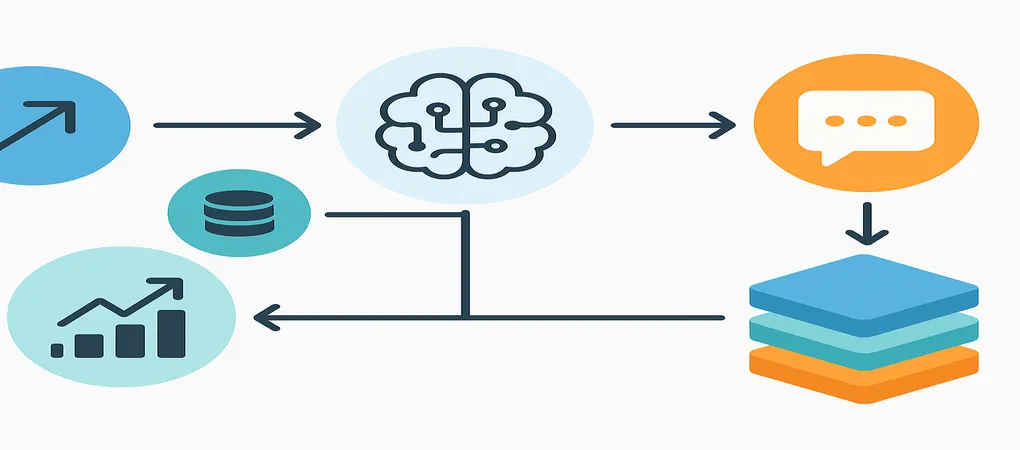
You can ship a useful AI agent for an HVAC shop only after you decide what counts as field input.
You know the moment. A return visit opens, the work order says “checked system,” and the service manager has to ask the tech what was actually checked at the unit, what the homeowner said, and why the decision was made.
Why the AI agent trend changes the hardware question
The Small Business & Entrepreneurship Council is right to point out that AI agents are moving into normal small-business operations. That matters. But in skilled trades, the bottleneck is not whether an agent can summarize, route, or draft.
The bottleneck is whether the agent receives the real job context before it has already evaporated.
Take a common anonymized case: a residential HVAC company using a field-service SaaS platform. ServiceTitan, Housecall Pro, Jobber, and Dynamics are good at workflow. They can hold the appointment, the invoice, the asset, the customer record, and the next task.
But they still depend on a human typing field reality into boxes after the attic is hot, the homeowner is waiting, and the tech is already thinking about the next stop.
Step one: define the input object
Do not define the product as audio. Define it as permitted work memory attached to a job.
- Customer words: what they described in their own language, searchable next visit.
- Technician observations: what was checked at the unit but never reached the work order.
- Decision context: why repair, monitor, quote, or escalate was chosen.
- Handoff facts: what the next tech or office reviewer needs without reconstructing the day.
That is the frame behind Hearit.ai HA-MIC01: not a recorder, not supervision, but a hands-free field input device designed to help permitted spoken work become service reports, work orders, and searchable Frontline Work Memory.
Pick the last return customer with a vague work order.
Without checking the system, what did your tech say about the unit, the homeowner’s concern, and the decision made on site? Now check the record. The gap is the product requirement.
Step two: choose the microphone trade-off early
For a wearable field voice product, microphone placement versus enclosure sealing is not a detail. It is a category decision.
There are three practical options.
- Open acoustic path near the chest or collar: better speech pickup and lower DSP burden. The cost is exposure: sweat, dust, lint, rain at the door, cleaning chemicals, and acoustic mesh contamination.
- Sealed or semi-sealed enclosure with a protected port: better mechanical protection and a cleaner industrial design. The cost is muffled consonants, more tuning work, tighter assembly control, and more risk that every unit sounds slightly different.
- Remote mic on a cable or connector: often the best position for voice. The cost is snag risk, connector fatigue, field replacement complexity, and more user behavior to control.
The right answer changes with the job. A crawlspace inspection, a furnace closet, a roof unit, and a customer doorway are different acoustic environments. PPE changes it. Clothing changes it. Whether the device is cleaned daily or thrown into a truck bin changes it.
“Reconstruction can get cheaper. Original field context does not come back.”
Step three: do not let EVT lie to DVT
A product team should separate learning stages cleanly. EVT should prove the acoustic geometry, consent indication, mounting behavior, and basic job mapping. DVT should stress the enclosure, cable routing, cleaning assumptions, and production materials. PVT should expose whether the factory can repeat the sound, not just assemble the shell.
The common mistake is freezing the enclosure because the demo sounds good in a conference room. Then the first realistic service environment turns the AI agent into a confident guesser.
The durable rule for product teams
If your small-business AI agent depends on field truth, the hardware specification is part of the agent design. Not an accessory. Not a peripheral. The input product decides what the model is allowed to know.
For the HVAC company in our case, the issue is not replacing its SaaS or replacing the technician. The issue is that the business already knew more than it recorded. The 30-year veteran’s pattern recognition, the homeowner’s exact description, and the reason behind the recommendation were present for a few minutes, then scattered.
Consent-first design matters here. Worker-controlled, transparent, work-only memory protects technician dignity while making the job record more useful for professional review.
If you are evaluating this category, start with a de-identified work order or service report and mark the fields your team finds hardest to fill accurately after the visit. That map is more valuable than a feature list. The AI agent will not know what the business knew; it will know what the product made available at the moment of work.