
AI Memory for Bilingual Main Street
AI WhatsApp and voice tools point to a bigger shift: bilingual small businesses need customer memory, not just more channels.
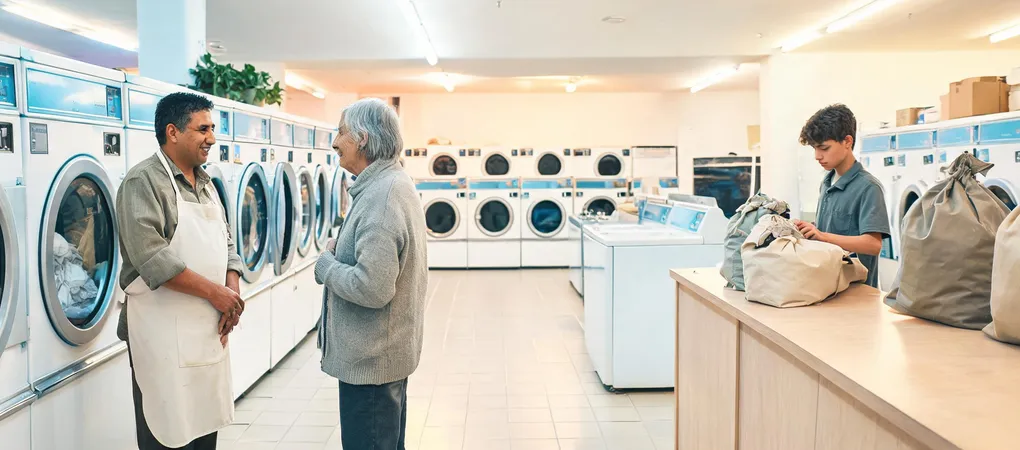
Your business forgets in two languages.
You know the moment. A customer comes back after a week, switches between English and Spanish, mentions her mother, the pickup time, the thing she was worried about, and your team is polite but digging through fragments.
The note says “called about order.” The person who spoke with her is off today. The thread is in WhatsApp, the voice detail is in somebody’s head, and the real customer history is not in the system.
That is why the news about EZContact bringing AI-powered WhatsApp and voice engagement to U.S. Hispanic small businesses matters. Not because another AI tool arrived. Because it points at a larger shift: business memory is moving into the conversation layer.
1. The channel is not the asset
WhatsApp has more than 2 billion users globally, according to Meta. For many immigrant and bilingual communities, it is not a novelty channel. It is daily infrastructure.
But the asset is not WhatsApp. It is what customers say there, in their own words, over months and years.
“The business that remembers in the customer’s language becomes the business that feels easiest to return to.”
2. Bilingual memory is an operations problem
The U.S. Census Bureau reported 65.2 million Hispanic people in the U.S. in 2023. Stanford’s Latino Entrepreneurship Initiative has also reported roughly 5 million Latino-owned businesses in the country.
This is not a niche. It is a huge part of Main Street, and much of its work runs through voice notes, quick calls, family context, and trust built sentence by sentence.
Before AI memory, the owner carries the nuance. After AI memory, the business carries it.
- Before: “She prefers Spanish, I think her son usually translates, and there was something about Friday.”
- After: “Customer prefers Spanish. Son handles payment. Last concern: pickup after 5 p.m. on Friday due to work schedule.”
3. The cost math is in rework, training, and handoffs
Look, the cost is not some spreadsheet fantasy about customers you never met. The cost is the 11 minutes that evaporated while two employees reconstructed a conversation from last Tuesday.
It is the owner pulled back into a routine issue because only she remembers the history. It is the new hire taking three months to absorb what the senior person knows by ear.
Pick the last returning customer. Without checking the system, what did they say in their own words last time?
Now check the note your team actually has. That gap is where enterprise memory begins.
4. AI should create customer profiles, not more inboxes
A bilingual hair salon, tax office, dental clinic, auto shop, or home-care agency does not need another place to check. It needs every voice conversation and message to become structured memory.
That means preferences, constraints, prior issues, family context when appropriate, service history, promised follow-ups, and the exact wording that matters next time.
This is how we think about Telalive at GMIC AI: voice capture for customer phone conversations that turns the spoken relationship into searchable customer memory. Not a script machine. A memory layer.
5. The durable asset is the memory you own
Here is the operator truth: tools depreciate in value when everyone can buy them. Memory compounds because it is specific to your customers, your team, your promises, and your way of serving.
That is also why data sovereignty matters. If your customer history lives only inside disconnected apps, inboxes, and employee recall, you do not really own the operating memory of the business.
The same principle applies in the field. Hearit.ai HA-MIC01 captures spoken work at the moment it happens, while Telalive does it for phone conversations. Different settings, same thesis: AI needs real input before it can do useful work.
6. The next advantage will feel human
The best AI for small business will not feel like a robot trying to impress you. It will feel like your team remembered.
It will greet the customer in the language they prefer. It will know the thing they were anxious about. It will keep context through staff changes, busy weeks, and the messy reality between polished design and everyday counter service.
That is Enterprise Memory. Not bigger software. Not louder automation. The quiet shift from businesses that answer conversations to businesses that remember them.
From AI phone agents to custom hardware — we’ve got you covered.