
The Service Call Is Over. Why Does the Equipment Report Get Built Twice?
The technician already did the work on site. Rebuilding the report afterwards from photos, notes and memory is a service cost worth measuring on its own.
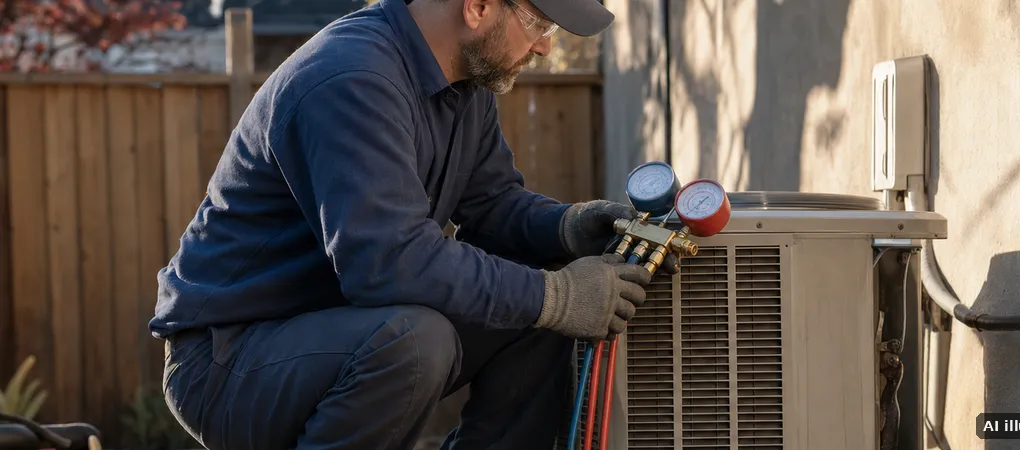
An HVAC visit produces more information than its report usually shows. Which unit was it? What was the complaint? What did the filter, coil and condensate line look like? Which readings were taken, with which instrument and under what conditions? What was serviced or replaced, and what is still pending?
The technician knows all of it while standing at the unit. Much of it then scatters across a camera roll, a scrap of paper and a quick call to the office. Later, sometimes much later, someone rebuilds the report: matching photos to the right unit, re-reading a gauge in a blurry picture, asking the technician which condenser that nameplate belonged to.
The second build is the cost
The repeat work after the visit is easy to overlook because nobody schedules it. It still costs technician time, office time and follow-up calls. It is also where mistakes creep in: a reading attached to the wrong unit, a unit mix-up, a pending item that never reaches the homeowner.
That repeat work deserves to be measured on its own, and measured fully: time in the field, time in the office, time reviewing, and the questions that come back.
Keep observation, measurement and judgement apart
A service record the homeowner can trust separates three things:
- Observation: what was seen, with the photo or clip that shows it.
- Measurement: the instrument, value, unit, location, time and operating conditions. Readings come from the instrument and are entered or checked by the technician.
- Judgement: the technician’s diagnosis, the work performed, the retest and the recommended next steps.
Video does not turn itself into a reliable diagnosis. Speech gets lost in equipment noise, screens glare, and units and decimal points need a human check. Any tool that blurs those three categories makes the report less trustworthy.
What we are exploring
HA-VEST01 is a wearable AI vest in development. It is designed to link spoken notes and permitted images to the right job and piece of equipment, so the office starts from an organised draft instead of a camera roll. The technician reviews the draft before it becomes the service report. The vest is in prototype iteration and pilot preparation, and we have no field results to report.
What a pilot would test is simple to state. Pick one common job type, keep the same report template, and compare the full time from site to finished report against the current process, including the time spent correcting and reviewing any draft. If a phone and existing field-service software already do the job well for a team, the pilot should show that too. A real improvement should be felt by both the technician and the person who finishes the report, not just add more saved footage.
An invitation
If you manage HVAC service, bring one of your current work-order or report templates. We will go through it with you and mark the fields most often missed and the ones that take the longest to rebuild after the visit.